Stand with me now, here, together, under this arch, before the altar.
The fading light filters between the tall trees in nature's home
In this place we have chosen to bond ourselves, to forswear all others
Lovely.
And the aged lady before us speaks in measured tone, long-rehearsed and spoken lines
I don't hear her, but only see your downcast eyes suddenly dart to my face.
You are remembering this moment, a snapshot forever emblazoned in your mind that, when you call upon it, will remember in a fiery and instant moment
This; This is mine, forever mine, and mine alone.
So lovely.
Lights strung from bough to bough flicker to life and the cascading laughs of drunken revelers
rises and rises and rises.
And you face me, lie your head on my shoulder, veil long cast off, long train wrapped carefully in a corner. You put your head on my shoulder, close your eyes.
Ever lovely.
Showing posts with label The Archive. Show all posts
Showing posts with label The Archive. Show all posts
Thursday, February 15, 2007

Wednesday, February 14, 2007
The Valentine, Part One: Snow on City Center
Look. Look up and see it falling; the ivory-blue flakes fluttering down between the red-and-grey stone monoliths whose heights are lost to the ground, which to the eye appear to be falling inward. They catch the warm updraft from an exhaust in the building and swirl up and left and briefly are lost amongst the low, grey clouds that hang over the works of man like the coming of an angry diety in a forlorn age whose divine vengeance is to strip away all color, all life.
The snow is piled in neat intervals alongside the sidewalk, which is rapidly becoming covered again, and interlaced with the footprints of a black-and-grey clad army. They tromp, heads low and covered and rushing quickly to escape the cold: a cold that has robbed the scent of the streets away; and sound.
Pass through a park; once verdant trees now protude their pale bones skyward, asking supplication. Mute statues of long-dead heroes glisten icily on stone columns ensconced by snow. Two figured swaddled in hats, coats and blankets study figures on a chessboard, steam puffing out occassionally.
And then: You. A patchwork coat of colors and matching hat, you are the antithesis of this day. You are bright, and willful, and defiant. Your scarf carelessly whips around as you turn to me, and recognition brings a smile so bright that the snow all around us dims in comparison. To me, the rest fades away. To me, there is only you.
You are who I came to see.

The snow is piled in neat intervals alongside the sidewalk, which is rapidly becoming covered again, and interlaced with the footprints of a black-and-grey clad army. They tromp, heads low and covered and rushing quickly to escape the cold: a cold that has robbed the scent of the streets away; and sound.
Pass through a park; once verdant trees now protude their pale bones skyward, asking supplication. Mute statues of long-dead heroes glisten icily on stone columns ensconced by snow. Two figured swaddled in hats, coats and blankets study figures on a chessboard, steam puffing out occassionally.
And then: You. A patchwork coat of colors and matching hat, you are the antithesis of this day. You are bright, and willful, and defiant. Your scarf carelessly whips around as you turn to me, and recognition brings a smile so bright that the snow all around us dims in comparison. To me, the rest fades away. To me, there is only you.
You are who I came to see.

Thursday, January 11, 2007
Airport
The droning voice of the loudspeaker repeated it's emotionless warning to watch for danger as we waited impatiently in the semi-comatose line of people, each lost in their own thoughts but all picturing themselves landing, being there already, as if the six hours on the plane was a triviality to be endured. You turned towards me and I smiled at you; you always seemed to know what I was thinking. A bored security agent waved us through and we went through the motions: remove liquids, remove shoes, remove bags. You slipped off your shoes easily; I knew that you planned ahead on that one; I had to unlace mine and hold up the increasingly irritated people behind me.
We made our way to the terminal, but it was already full- the few seats left were either occupied or in between people who seemed to have no intention of making them available. So we made our way over to the tall plate glass window and leaned against it. Every few minutes a jet would take off and the floor and window would shake precariously. Outside, it rained lightly, drops occassionally flecking on the glass, which was perceptibly cool. Inside, the milling throngs of people arrived, grimacing at the weather or a rough flight; they left, shuffling their way down the covered walkway to the plane that would take them from here. Men and women, children crying or pointing excitedly; older people pushed along in wheelchairs by tireless skycaps who comforted them unceasingly. This place was not just a hub for some planes- it was a hub of humanity, a place where all could come together and, for a moment, revel in that sense of adventure that dwells deep within each of us.
And, best of all, we were here together, on a grand adventure. Your bright peacoat was wrapped tightly around you, matching your slip-on shoes; it was a bit cold; I guess the air conditioning hadn't been shut off despite the change in the weather. I started to take off my coat to give to you right when we were called for boarding. Everyone jumped up and made their way down to the plane. A blast of the chill air from outside hit us as we stepped inside the aircraft and made our way to our seats.
And before I realized it, we were aloft, and I turned to see that you were asleep. I guess you were more tired than you realized. And I guess I was, too, because the next thing I remember was the wheels touching down. Isn't it funny how everyone jumps up as soon as you start making your way to the gate? Well, we all got off the plane in one piece and went down to get our luggage.
The conveyer belt jerked to life and bags started snaking their way around slowly. You pulled off a large green suitcase, and I looked to see if my luggage was near yours. But it wasn't. And as you turned away, off to your real life, off to the life that didn't include me, and never had, I stopped to watch you go, the edges of your coat whipping around. And you passed through the sliding glass doors of the airport.
Outside, the sun was just a crescent above the horizon.
We made our way to the terminal, but it was already full- the few seats left were either occupied or in between people who seemed to have no intention of making them available. So we made our way over to the tall plate glass window and leaned against it. Every few minutes a jet would take off and the floor and window would shake precariously. Outside, it rained lightly, drops occassionally flecking on the glass, which was perceptibly cool. Inside, the milling throngs of people arrived, grimacing at the weather or a rough flight; they left, shuffling their way down the covered walkway to the plane that would take them from here. Men and women, children crying or pointing excitedly; older people pushed along in wheelchairs by tireless skycaps who comforted them unceasingly. This place was not just a hub for some planes- it was a hub of humanity, a place where all could come together and, for a moment, revel in that sense of adventure that dwells deep within each of us.
And, best of all, we were here together, on a grand adventure. Your bright peacoat was wrapped tightly around you, matching your slip-on shoes; it was a bit cold; I guess the air conditioning hadn't been shut off despite the change in the weather. I started to take off my coat to give to you right when we were called for boarding. Everyone jumped up and made their way down to the plane. A blast of the chill air from outside hit us as we stepped inside the aircraft and made our way to our seats.
And before I realized it, we were aloft, and I turned to see that you were asleep. I guess you were more tired than you realized. And I guess I was, too, because the next thing I remember was the wheels touching down. Isn't it funny how everyone jumps up as soon as you start making your way to the gate? Well, we all got off the plane in one piece and went down to get our luggage.
The conveyer belt jerked to life and bags started snaking their way around slowly. You pulled off a large green suitcase, and I looked to see if my luggage was near yours. But it wasn't. And as you turned away, off to your real life, off to the life that didn't include me, and never had, I stopped to watch you go, the edges of your coat whipping around. And you passed through the sliding glass doors of the airport.
Outside, the sun was just a crescent above the horizon.
Thursday, December 21, 2006
Remembrance
He swirls the cloudy glass around, ice clanking against cheap material, viscous liquid inside clinging to the sides momentarily before settling. Then, he tips the glass back and the burn mingles with the cold ice against his lips. Cold..
..cold snow down the back of his thick coat, immediately raised his hackles and he spun around to look at her. Red-faced and laughing, she was on the precipice of womanhood; a face that when viewed from a certain angle showed the adult she would become. Her teeth were the whitest things he had seen, brilliant even compared to the snow that was all around them. He had her hand, and pulled her gently, and her laughs and smiles faded and for an instant they were together, and adults both, serious. And he would always remember how her lips parted slightly even as his other hand came around, full of snow, and he was powerless to stop it. She had laughed, but they never got that close again.
He puts the glass on the worn bar with a dull thud and reaches clumsily into his pocket, withdrawing a crumpled bill and dropping it at the bartender, who deftly takes his glass away while pocketing the cash. Turning on the barstool, he looks out into the smoky bar at the groups and couples chatting amiably among themselves. Off in the corner in a booth were four young men, laughing and grabbing at their mugs.
Don took a long drink of the dark-colored beer he favored while the others grinned at him. "Tech specialist," he went on, "I'm gonna be working with all the advanced stuff, they said." He grinned proudly- proudly, as if the Army was his first choice and not his last chance.
"Probably have you cleaning the general's latrine," quipped Luke, smiling. It was almost imperceptible, the twinge in Don's eyes. But his grin remained infallible.
"What's your degree in? Philosophy? So you're gonna work at the Philosophy Company, eh?" he responded. They were friends through him, and bore each other's company for his sake. But they complained to him when the other wasn't around: it was almost a relief they would be heading to different places.
Don looked at him, "And you've got it made, man. Working at your dad's shop- one day you'll own the place!" He had smiled and nodded at that, but God knows he wouldn't be able to take forty years selling office supplies. That was his dad's dream, not his. But even at this late hour, he couldn't confess to his friends his true plans. And so they both left within a week, and he had disappeared, too.
"Hey buddy, here's your drink," the bartender says in a loud tone, waking him from his daydream. "Ya all right?"
He smiles ruefully, and shakes his head, "Just remembering some old times". The bartender nods, "Some regrets, eh?"
He looks down at his drink, the bitter liquid on cold ice. "Oh, no. I regret no choices- but the memories take me back to them, and lets me relive them. How sweet the remembrance."
He swirls the liquid in the glass, and it clings to the sides before settling again.
..cold snow down the back of his thick coat, immediately raised his hackles and he spun around to look at her. Red-faced and laughing, she was on the precipice of womanhood; a face that when viewed from a certain angle showed the adult she would become. Her teeth were the whitest things he had seen, brilliant even compared to the snow that was all around them. He had her hand, and pulled her gently, and her laughs and smiles faded and for an instant they were together, and adults both, serious. And he would always remember how her lips parted slightly even as his other hand came around, full of snow, and he was powerless to stop it. She had laughed, but they never got that close again.
He puts the glass on the worn bar with a dull thud and reaches clumsily into his pocket, withdrawing a crumpled bill and dropping it at the bartender, who deftly takes his glass away while pocketing the cash. Turning on the barstool, he looks out into the smoky bar at the groups and couples chatting amiably among themselves. Off in the corner in a booth were four young men, laughing and grabbing at their mugs.
Don took a long drink of the dark-colored beer he favored while the others grinned at him. "Tech specialist," he went on, "I'm gonna be working with all the advanced stuff, they said." He grinned proudly- proudly, as if the Army was his first choice and not his last chance.
"Probably have you cleaning the general's latrine," quipped Luke, smiling. It was almost imperceptible, the twinge in Don's eyes. But his grin remained infallible.
"What's your degree in? Philosophy? So you're gonna work at the Philosophy Company, eh?" he responded. They were friends through him, and bore each other's company for his sake. But they complained to him when the other wasn't around: it was almost a relief they would be heading to different places.
Don looked at him, "And you've got it made, man. Working at your dad's shop- one day you'll own the place!" He had smiled and nodded at that, but God knows he wouldn't be able to take forty years selling office supplies. That was his dad's dream, not his. But even at this late hour, he couldn't confess to his friends his true plans. And so they both left within a week, and he had disappeared, too.
"Hey buddy, here's your drink," the bartender says in a loud tone, waking him from his daydream. "Ya all right?"
He smiles ruefully, and shakes his head, "Just remembering some old times". The bartender nods, "Some regrets, eh?"
He looks down at his drink, the bitter liquid on cold ice. "Oh, no. I regret no choices- but the memories take me back to them, and lets me relive them. How sweet the remembrance."
He swirls the liquid in the glass, and it clings to the sides before settling again.
Wednesday, August 23, 2006
Winter
The Icewolf stands at the crest of a hill at the edge of the trees, moon and bright stars the inside of a speckled and heavenly egg that encloses the world and disappears behind the dark silhouettes of craggy peaks that line the horizon. The air and snow and trees are glowing with a spiritual blueness, and even His shaggy white coat, frosted, shines with an unholy light.
He surveys the snow-driven valley extending just beyond the gentle rise, and no sound or movement or wind disturbs the frozen scene. He is, if not alone, the emperor of this landscape. None can challenge his sovereignty here, for he is young, strong and smart, and so he must be to even survive, much less rule. In these cold recesses of snow, death's grip strikes fast and without remorse; and the Icewolf is often the instrument of that fell grasp- memories of chases, heart throbbing throughout his body, pulsing with his footfalls as he and his prey weave around the trees, around the uncovered patches of ground that speak of another season, past the icy cold rivulet of water that cuts through the snow. Suddenly, the small creature turns sharply, but it is too late: every muscle of the Icewolf's body has already moved to intercept, even before he himself realizes it. And it is over. The beating heart takes time to subside, to shrink it's pulsing until it is again in the background.
The snow is receding; it is not as deep as it was before, and the rivulet has become a stream, carrying the melted ice elsewhere. Every morning, more birds sing invisibly from the trees. And the time will come when the men return, and he will be nothing more than a wolf again.
For now, though, his is the expanse of the horizon; a kingdom of snow and ice which he lords over. And he runs down the rise, into the plain, and his is the only sound.
He surveys the snow-driven valley extending just beyond the gentle rise, and no sound or movement or wind disturbs the frozen scene. He is, if not alone, the emperor of this landscape. None can challenge his sovereignty here, for he is young, strong and smart, and so he must be to even survive, much less rule. In these cold recesses of snow, death's grip strikes fast and without remorse; and the Icewolf is often the instrument of that fell grasp- memories of chases, heart throbbing throughout his body, pulsing with his footfalls as he and his prey weave around the trees, around the uncovered patches of ground that speak of another season, past the icy cold rivulet of water that cuts through the snow. Suddenly, the small creature turns sharply, but it is too late: every muscle of the Icewolf's body has already moved to intercept, even before he himself realizes it. And it is over. The beating heart takes time to subside, to shrink it's pulsing until it is again in the background.
The snow is receding; it is not as deep as it was before, and the rivulet has become a stream, carrying the melted ice elsewhere. Every morning, more birds sing invisibly from the trees. And the time will come when the men return, and he will be nothing more than a wolf again.
For now, though, his is the expanse of the horizon; a kingdom of snow and ice which he lords over. And he runs down the rise, into the plain, and his is the only sound.
Friday, July 07, 2006
Wildflowers
They grew as we grew. They bloomed even as we did. The wildflowers graced that sloping mountainside lay dormant in the deep rivulents of snow in Winter, only to shyly curve their stalks upwards in Spring, and bloomed in watercolor torrents in Summer, and lasted deep into the Autumn even as the grass burnished and shone.
We wove them into each others' hair, bright crowns of red, yellow and purple adorning us; trails of them lingering on young shoulders. I was the King of June, and you the Princess of September, and together we placed the blooms on the tepid and shallow stream and watched as they disappeared from our sight.
We took the train from that place, the dark iron beast stark against the pastoral landscape, grunting and emitting sulfurous fumes: but we were adults, and the valley was for children whose heads could be filled with the fancies of youth; with crowns of blooms; with idle days spent by the stream, ambitions disappearing where the horizon did.
What foolishness that thought was! The mountain and the valley and the stream; they are ours, and have been waiting an interminable amount of time for us to return, cycling through the seasons silently until we came back.
Return, Princess of September, and I will crown you once again, with wildflowers.
We wove them into each others' hair, bright crowns of red, yellow and purple adorning us; trails of them lingering on young shoulders. I was the King of June, and you the Princess of September, and together we placed the blooms on the tepid and shallow stream and watched as they disappeared from our sight.
We took the train from that place, the dark iron beast stark against the pastoral landscape, grunting and emitting sulfurous fumes: but we were adults, and the valley was for children whose heads could be filled with the fancies of youth; with crowns of blooms; with idle days spent by the stream, ambitions disappearing where the horizon did.
What foolishness that thought was! The mountain and the valley and the stream; they are ours, and have been waiting an interminable amount of time for us to return, cycling through the seasons silently until we came back.
Return, Princess of September, and I will crown you once again, with wildflowers.
Thursday, May 25, 2006
The Horn
The chill was enough to permeate the bowels of the ship, in which weary and broken men huddled around the flickering oil lamps for warmth, covered in their own chilled and threadbare blankets as well as those of the unfortunate men above. Some still nurtured the lukewarm rum ration that the Captain had ordered, while others looked wistfully at them, regretting their haste to feel the burn in their throats and their bellies. A deep and thrumming sound passed through the stout wooden beams that separated them from the tumultuous sea outside. The icy wind rushed down from above, a wailing and invisible ghost whose touch crumbled the recipient into an even tighter huddled mass. The thrumming water passing outside of the ship; the wailing wind; the faint cries of the men on watch; these were the only sounds below deck, for none could spare the energy to speak.
Then, the terrible sound of fabric tearing, of ropes suddenly cast loose drumming against the hull. The awful crash of wood on wood, and every man's eyes went up, towards the top, and the Creator.
* * * * *
As icy shards of rain pelted the deck like grapeshot, Martin noticed his ears were beyond numb to a sort of dull ache that stabbed a thousand tiny daggers into his skull. His gloved hands were merely without feeling as they worked, heaving with four other pairs to lift the yardarm off of the deck, off of the Spaniard; off of Mr. Green. The former shrieked as the heavy timber collapsed him on the deck. The latter had merely attempted to dive out of the way. Both would survive, but the surgeon might have his work cut out for him. The limp men were dragged by the Captain, featured darkened under his hat. He clapped a man on the shoulder and went back to directing two men on the mast to secure the mainsail, torn and flying like a giant pennant above and behind the ship.
Martin wheeled and his gaze was caught for a moment by the roiling ocean. The sheeting hail poured into that grey and rollicking surface. Chunks of ice tumbled in the waters and passed by the ship. And the bow stood in open defiance of the scene, pointed forward, and though the bust of the maiden that adorned it was battered, still she looked out with certainty into that grey haze.
A shout from the Captain, and the ship lurched, groaning and creaking against it's new heading. Some men took up a ragged cheer, but it was quickly squelched as each man returned to his work. They still stood on the razor's edge of survival, but the ordeal was half over. They had turned north, away from this place.
The bell clanged three times, a relief to the men above and a terror to those below; it was time to change shifts. Martin gave his work over with a nod to the bearded man who replaced him, and walked on the slippery deck to the hatch. A hot mug was pressed into his hands, and the acrid smell of warm rum mixed with the putrid whale oil and sweat and deep varnish of the interior. He passed by the curtained area of the surgeon, crossing himself and made his way to an empty seat on the bench. His gloves felt thick as he reached into his coat, to his breast pocket and withdrew a small portrait of Maryanne, her elegance at odds with the grim and disheveled world. Nine months, and he would see her again. He took a sip of the rum, it's warmth working it's way down his throat. Nine months, and another trip round the Horn.
Then, the terrible sound of fabric tearing, of ropes suddenly cast loose drumming against the hull. The awful crash of wood on wood, and every man's eyes went up, towards the top, and the Creator.
* * * * *
As icy shards of rain pelted the deck like grapeshot, Martin noticed his ears were beyond numb to a sort of dull ache that stabbed a thousand tiny daggers into his skull. His gloved hands were merely without feeling as they worked, heaving with four other pairs to lift the yardarm off of the deck, off of the Spaniard; off of Mr. Green. The former shrieked as the heavy timber collapsed him on the deck. The latter had merely attempted to dive out of the way. Both would survive, but the surgeon might have his work cut out for him. The limp men were dragged by the Captain, featured darkened under his hat. He clapped a man on the shoulder and went back to directing two men on the mast to secure the mainsail, torn and flying like a giant pennant above and behind the ship.
Martin wheeled and his gaze was caught for a moment by the roiling ocean. The sheeting hail poured into that grey and rollicking surface. Chunks of ice tumbled in the waters and passed by the ship. And the bow stood in open defiance of the scene, pointed forward, and though the bust of the maiden that adorned it was battered, still she looked out with certainty into that grey haze.
A shout from the Captain, and the ship lurched, groaning and creaking against it's new heading. Some men took up a ragged cheer, but it was quickly squelched as each man returned to his work. They still stood on the razor's edge of survival, but the ordeal was half over. They had turned north, away from this place.
The bell clanged three times, a relief to the men above and a terror to those below; it was time to change shifts. Martin gave his work over with a nod to the bearded man who replaced him, and walked on the slippery deck to the hatch. A hot mug was pressed into his hands, and the acrid smell of warm rum mixed with the putrid whale oil and sweat and deep varnish of the interior. He passed by the curtained area of the surgeon, crossing himself and made his way to an empty seat on the bench. His gloves felt thick as he reached into his coat, to his breast pocket and withdrew a small portrait of Maryanne, her elegance at odds with the grim and disheveled world. Nine months, and he would see her again. He took a sip of the rum, it's warmth working it's way down his throat. Nine months, and another trip round the Horn.
Monday, April 24, 2006
Photograph
It had, for a long time, existed only in my memory. I saw it for a brief moment as a child, one of infinite images that existed in that flashing, whirling time. While the others grew dim and cobwebbed in my mind, it remained fresh.
Then I found it; discovered among the detritus gathered in a long and fruitful life. An image on old paper, a man and woman with taciturn expressions yet joined in an enternal embrace that belied their ages and that of the picture. His eyes were focused on her, and hers likewise and I imagined them to be the Romeo and Juliet of some age before sorrow had entered into the world. The faded background of the past lay in blurred monochromes behind them, an amorphous conglameration of the ancient and the recognizable (if antiquated).
I will never know their names. I will never know who they are, or how they lived, or if they loved as they did in that picture for all of their time in this world. The only clue is etched on the back of the photo in the fanciful script of a past era, faded and smudged with time.
"1912."
They have long since passed from here. Their memory may be forgotten by all that knew them.
They live on, embraced to each other. Forever.
Then I found it; discovered among the detritus gathered in a long and fruitful life. An image on old paper, a man and woman with taciturn expressions yet joined in an enternal embrace that belied their ages and that of the picture. His eyes were focused on her, and hers likewise and I imagined them to be the Romeo and Juliet of some age before sorrow had entered into the world. The faded background of the past lay in blurred monochromes behind them, an amorphous conglameration of the ancient and the recognizable (if antiquated).
I will never know their names. I will never know who they are, or how they lived, or if they loved as they did in that picture for all of their time in this world. The only clue is etched on the back of the photo in the fanciful script of a past era, faded and smudged with time.
"1912."
They have long since passed from here. Their memory may be forgotten by all that knew them.
They live on, embraced to each other. Forever.
Wednesday, April 05, 2006
Thunderstorm
I stood out in a field covered by the long grey grasses and the sky was an inverted eggshell, a dome, painted by heavenly forces whose armies now marched, for I could see them marching on the lightning which flashed behind those grey and black clouds and I heard their war-cry, which rumbled and rocked the stillness.
They charged across the sky, from above where I stood out towards the infinite horizon, and returned and criss-crossed the entirety of this aspect of their creation, and the hooves of their warbeasts shook free their riders' tears, which dropped in sheets along the ground, and the ground and I were drenched from that weeping.
And as abruptly as it began, and as quietly as it had been loud, their charge was done. All that was left of their presence were those dark citadels in the sky, and a cold wind that whipped through, and left me shivering.
They charged across the sky, from above where I stood out towards the infinite horizon, and returned and criss-crossed the entirety of this aspect of their creation, and the hooves of their warbeasts shook free their riders' tears, which dropped in sheets along the ground, and the ground and I were drenched from that weeping.
And as abruptly as it began, and as quietly as it had been loud, their charge was done. All that was left of their presence were those dark citadels in the sky, and a cold wind that whipped through, and left me shivering.
Tuesday, March 28, 2006
With me
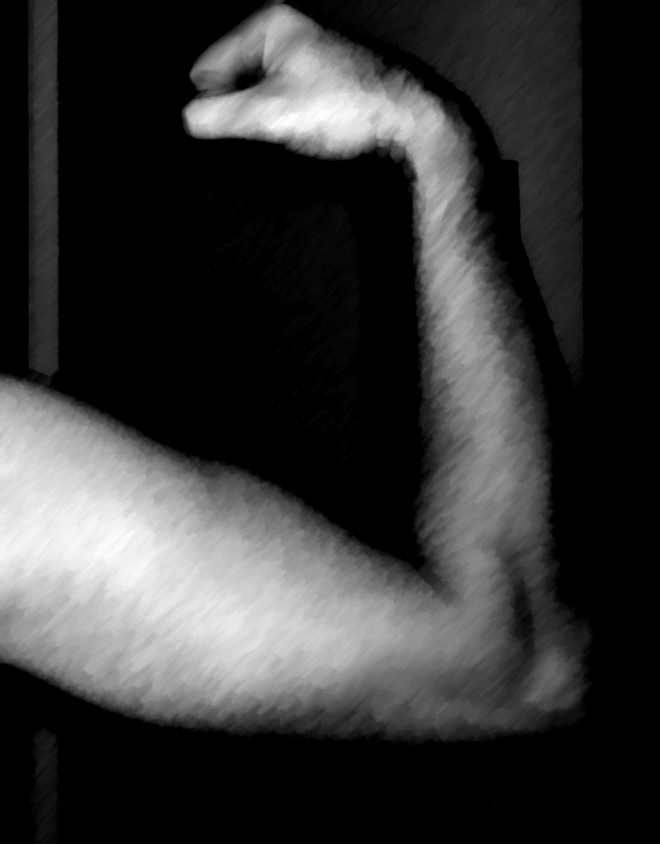
With my arms, I bore you up as if you were a child, and spun you around, whirling, whirling around and holding you close, enfolding you and encompassing you. With my arms I gestured to you and beckoned you to join me again amongst the bright white sheets, where love was proved and would be again. With my arms I provide for you, and hope that they may never grow weary.
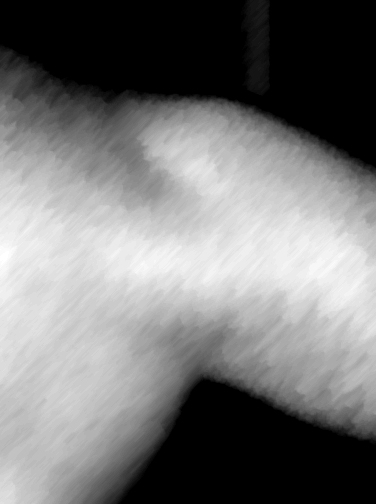
With my shoulders, I leaned hard against those things that would seek to break you from the dream that we had created. With my shoulders I gave you a place to lean and rest your head when you slumbered, or wept, or laughed. With my shoulders, I held you up on a pedistal, far above the crowd that milled around us, and your gaze went out for miles.
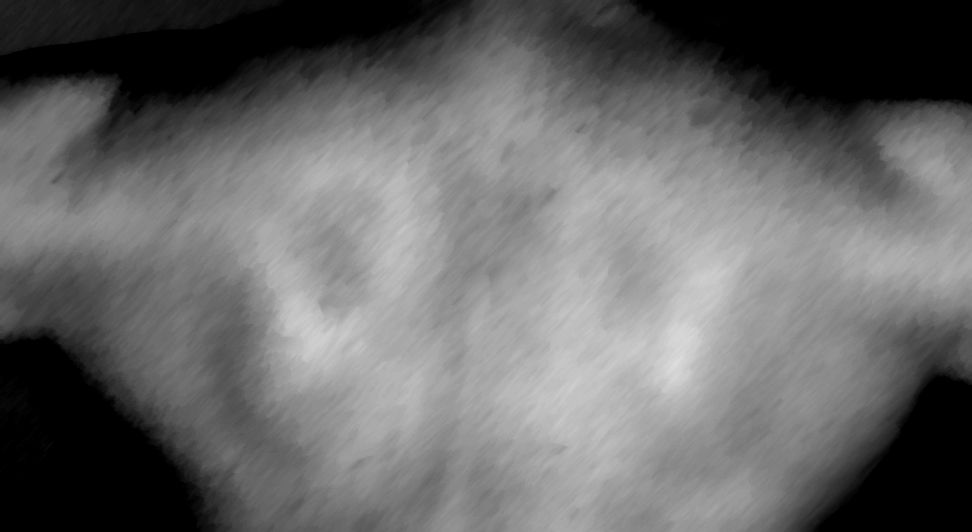
With my back, I carried those loads that were necessary; though they left me scarred, I would do it again with you. With my back, I was pressed against the bed by the weight of you on me, our bodies together again. With my back, I carried the stones that built our house, our refuge from the rest of the world.
With my heart, I was finally able to drink from that deep well of love, and slaked what I thirsted for until we were together. With my heart, I vowed to keep you as mine own, and committed myself to you for all time. With my heart, I loved you.
With me, we are one. With you, I can do anything.
Sunday, March 26, 2006
The Golden Path
I had just begun on my journey on that well-paved and singlular path; a ribbon of unmarred gold that travelled up and over the rise, the sun dipping down just beyond the top, which sent ripples cascading down the length of the road.
With each step I became surer of my destination, but even as I looked back the faint footprints I left were disappearing, and the further back the more indistinct they became. Nonetheless, I surefootedly hiked towards the top of that rise, and the ache in my legs and back grew steadily.
And with the last few steps the sun appeared once again, and shone directly into my eyes, but when I recovered I dropped to my knees, dumbstruck by what I saw. Rivers of gold flooded my vision, for descending into that valley was the Golden Path I was on, splitting infinitely into hundredfold, a thousandfold and more. In the distance was no more than a sea of shimmering gold that could only be the infinite permutations of that way, and all lay beneath that sun which fed the land.
And again I was dumbstruck, because I had believed that the rise was my destination and my end, and had not thought beyond it. But I had hardly begun; my path lay among that infinite number, and it was infinite and shining, no matter which way I went.
With each step I became surer of my destination, but even as I looked back the faint footprints I left were disappearing, and the further back the more indistinct they became. Nonetheless, I surefootedly hiked towards the top of that rise, and the ache in my legs and back grew steadily.
And with the last few steps the sun appeared once again, and shone directly into my eyes, but when I recovered I dropped to my knees, dumbstruck by what I saw. Rivers of gold flooded my vision, for descending into that valley was the Golden Path I was on, splitting infinitely into hundredfold, a thousandfold and more. In the distance was no more than a sea of shimmering gold that could only be the infinite permutations of that way, and all lay beneath that sun which fed the land.
And again I was dumbstruck, because I had believed that the rise was my destination and my end, and had not thought beyond it. But I had hardly begun; my path lay among that infinite number, and it was infinite and shining, no matter which way I went.
Wednesday, March 08, 2006
The Lovers, redux
As one, they lay in the darkness, cradled within each other's arms and legs. Chests pressed together, the heat between them is palpable and beads persperation on their skin. They are contrasting figures, she shapely and conforming, he solid and unyielding. For now they lay, near silent, near motionless, simply relishing the touch of the other- that unquestionable quality of skin upon skin. His eyes hunger and perhaps hers do as well and his hands move over her, his touch soft but firm. She trembles, half for what has occured, half for what has yet to occur.
Finally, he eases himself within her, sensation eminating from the same spot but travelling in opposite directions and she gasps for he is there, he is present. He raises himself above her, his arms powerful and solid, and as he thrusts forward he leans down and savors her mouth; her neck; her breasts. She gasps and looks back, stars dancing in her eyes and she encircles him in her arms and her hands grasp and pull at him, forcing him closer to her, deeper inside her.
His eyes close against his will, for he wants to experience it all, but the feelings are intense and he so he must close them. And his body continues moving, for they are both fulfilling the entire purpose for their form and flesh. They are built for this express purpose, and their reactions come from deep within, the serpentine and animalistic asserting itself.
And when it culminates, as it must, they return, human and coherent and exhausted. He lays his head on her chest, hears the still rapidly beating heart within. She cradles his head, and as one, they lay in the darkness.
Finally, he eases himself within her, sensation eminating from the same spot but travelling in opposite directions and she gasps for he is there, he is present. He raises himself above her, his arms powerful and solid, and as he thrusts forward he leans down and savors her mouth; her neck; her breasts. She gasps and looks back, stars dancing in her eyes and she encircles him in her arms and her hands grasp and pull at him, forcing him closer to her, deeper inside her.
His eyes close against his will, for he wants to experience it all, but the feelings are intense and he so he must close them. And his body continues moving, for they are both fulfilling the entire purpose for their form and flesh. They are built for this express purpose, and their reactions come from deep within, the serpentine and animalistic asserting itself.
And when it culminates, as it must, they return, human and coherent and exhausted. He lays his head on her chest, hears the still rapidly beating heart within. She cradles his head, and as one, they lay in the darkness.
Friday, March 03, 2006
Drawn
The rocky place is small, barren and lonesome; Perhaps that's why the Siren calls in a noiseless thunder that furiously travels across the water, through the air, to reach the unsuspecting. They are keenly aware now; something that they didn't realize they needed now drives them and grasps at them with desperate, delicate tendrils. All will has been pulled from them; they will cast out blindly in the direction of that beckoning, oblivious to the storms and dangers in their way. Some are lost in their search; they do not find what they expect or they falter in their journey, and become remnant that serves as a useless warning to those who continue to purse the Siren, who waits on her rock in the middle of the endless ocean.
A scattered remnant arrives; and when they do, some despair, for what they heard deceived them into believing another had called for them; and some persist in the fantasy, even making failed attempts to reimagine the Siren, but it is useless- The Siren is what the Siren is.
But there are yet the fragment of the seekers who arrive at the blasted stone and behold the Siren, and it is everything they hope for and held to in their journey. And it is then that they realize that inasmuch as the Siren called to them, so too did they call.
A scattered remnant arrives; and when they do, some despair, for what they heard deceived them into believing another had called for them; and some persist in the fantasy, even making failed attempts to reimagine the Siren, but it is useless- The Siren is what the Siren is.
But there are yet the fragment of the seekers who arrive at the blasted stone and behold the Siren, and it is everything they hope for and held to in their journey. And it is then that they realize that inasmuch as the Siren called to them, so too did they call.
Tuesday, February 28, 2006
Winged
I awoke in the morning.
This was the day.
I ate breakfast.
I got dressed.
I stepped outside.
And I flew.
I lifted off at rocket speeds, the green and grey earth growing ever more indistinct as I soared upwards. The wind tore at me, ripped the clothes from my body and sent them hurtling downwards, and even as they were bound by gravity I felt my cares break like the rusted shackles that had tethered me to the ground. And faster I soared, the blue sky growing ever deeper, the stars shining brightly as I rushed towards them. And the air was thin and I did not need to breathe; only to jet further from the world. My life was the past, and soon I began to forget it; the pain, surely, but also the joy.
I stopped.
Should I continue and lose it all for this bright blazing path I was on? Half of me tugged upwards and half the other way. Had I come all this way for nothing? Was it worth losing what I had? And then a thought occurred to me, and resolved I shot downwards, back to Earth and memory and home.
And I landed softly.
And went to bed.
And woke the next morning.
And took your hand.
And we flew.
This was the day.
I ate breakfast.
I got dressed.
I stepped outside.
And I flew.
I lifted off at rocket speeds, the green and grey earth growing ever more indistinct as I soared upwards. The wind tore at me, ripped the clothes from my body and sent them hurtling downwards, and even as they were bound by gravity I felt my cares break like the rusted shackles that had tethered me to the ground. And faster I soared, the blue sky growing ever deeper, the stars shining brightly as I rushed towards them. And the air was thin and I did not need to breathe; only to jet further from the world. My life was the past, and soon I began to forget it; the pain, surely, but also the joy.
I stopped.
Should I continue and lose it all for this bright blazing path I was on? Half of me tugged upwards and half the other way. Had I come all this way for nothing? Was it worth losing what I had? And then a thought occurred to me, and resolved I shot downwards, back to Earth and memory and home.
And I landed softly.
And went to bed.
And woke the next morning.
And took your hand.
And we flew.
Tuesday, February 21, 2006
The story
below is the in-progress first chapter of a novel that I've been working on forever. Hope you enjoy it...
--------------
Across the Breach
My father once said that memories are merely waking dreams. The more separated we are from those events which brought forth the memory, the more indistinct and hazy they become, until they are like shadows which tug at the corner of our eye, only to disappear when we try to rest our gaze upon them. For many years, I agreed with my father on that count, but for one thing: every so often we have a memory that is as clear and solid and richly colored as when the memory was created. It is as if our minds unconsciously realize the entirety of a situation and absorb everything associated to it, locking it away in a hidden corner, yet available whenever we have need of it. It realizes important events much sooner than we do, and takes care to nurture those memories.
The wind was cold when I heard of my father's death, and it carried the promise of a storm that never came. You can feel a storm, you know? The air is charged expectantly, waiting for a minute change, and then the deluge begins. Softly at first, sometimes, but occasionally it bursts forth in great anger and force. It was not to be, however, not then, however dark and forbidding the sky, however gray it colored the land. I thought it a great wrong that the world would not grieve though my mother and I should. This was my father! So I wondered why the rain would not drop down upon us, the skies issuing forth tears and angst. When someone dies and it rains, we say the world weeps for losing them. But if the sun shines, people say that that person is smiling down upon us from some immortal plane. But my experience has shown that if souls dwell in some realm, they are concerned only with their repose in that place. The truth is that nature does not care; only the ones who love us do.
My memory of that day began just before the doorbell rang, just before we learned of the news. I was sitting on the floor and reading the newspaper. I read it meticulously every day, and my fingers were stained from turning pages and running them along the lines of articles. I read books, too, and devoured them as often as possible, but this morning I was into the newspaper. I had already passed the news of the War, and was into an article about the President, with a grainy photo of him above it. The words are lost to me, and yet I remember the lamp that I read by was spherical and white and ceramic, with a slight chip in the side turned towards the wall so it would not show. My mother was in the kitchen, and I could only see a corner of her dress from where I sat, but it was blue and didn’t have even the slightest crease and the hemline was a white band with white flowers embroidered in it. And then we heard the doorbell, and I looked up as my mother went to the door.
It was as if that chill wind and monochrome day had brought the messenger, with his neatly pressed uniform and lacquered box containing my father's belongings. How unenviable his position was, to have to bear that news to my mother and myself, though he dispatched it as well as anyone in his position could. I don’t know how many other grim tidings he had to deliver that day, nor do I care to. I prefer to think he was sent especially for our benefit, and not on some dreadful route. Such thoughts did not make that delivery any easier. Better that they send us an impersonal letter by mail, so that we may open it at our leisure, and accept the news when we were ready. This was like a knife in the stomach: quick and painful and hard healing. When the messenger of Death visits, I don’t believe there is an easy way. He was already speaking when I detected something was wrong and moved to stand behind my mother. That man's cold eyes never betrayed him, yet there was a quiver in his otherwise flat voice that disrupted his facade of iron stoicism. He told us that not two weeks past, my father's plane had disappeared into a forest of a country that was not his own. Missing in action, the soldier said. Presumed dead. And he told us how valiant and brave my father was as he struggled to keep his aircraft aloft, as it was reported, though it was riddled with bullets and the engine was on fire. Anyone would be as brave, I thought momentarily, before banishing the thought shamefully from my mind, but it still stuck in my gut, and would be long in leaving. Too many thoughts tried to occupy my mind at once, too many questions, and I felt dizzy and sick. From this point forth, I just tried not to think at all.
My mother stood as stiffly as I had ever seen her as this stranger extolled my father's virtue, her hands clasped together too tightly in front of her, her eyes narrowing, then opening wide again, as if she was trying to envision my father but could not. She listened patiently, staring past the man at our door, as if she had expected this turn of events all along, and this was merely the time for it to occur. She thanked him and took the box, running her left hand over the top of it, holding it with a touch so light that one might think she suspected even this remnant of my father to disappear should she be careless. Her nails were painted bright red.
And then there is a gap in my memory. I vaguely remember the soldier leaving, the door closing, my mother falling to her knees and weeping with only me to comfort her. I don't think she could feel my arms awkwardly embracing her. I can't recall if she embraced me. The thing that stands out most in my mind is the silence, broken only by our intermingled sobs, and that peculiar low hum that always exists and is just out of reach. It was silent the rest of that week. What words could we have possibly said to each other that might have given comfort? There were none; she had lost a husband, and I had lost a father. What more was there? In both of our lives, he was a central figure who had been ripped away, cast apart from us, across a great chasm from which there was no return.
It was a long week of grieving, and I thought it would befit my father's memory that we should never stop. The heavy sense of mourning emanated and infected us and the house and all we came in contact with. The house had a dank smell, though it was clean, and conversation was short and never about anything important. My mother was embarrassed and so was I, though she would occasionally look at me and tell me a short story about dad or say how much I looked and acted and really was just like him.
My father had been gone for almost four months before he died, so we had been without him for some time. We could deal with him being away, even on the other side of the world but knowing that he was never coming back changed the situation entirely. We were on our own, and it turned out that dad had provided for this situation, so we would be able to live without worries about money, at least. And life did endure for us, and slowly things edged back towards the normal as the funeral approached. But the pain of the loss lingered with us.
The nights were the worst. They stretched long and brought only pain. Where does the mind wander when the body is unoccupied with activity, when the blackness all around simply pervades your soul; your thoughts turn to the Final darkness, and they stir up great anxiety in you, and so inhibit sleep. It becomes a vicious circle some nights. The hours of dreamless rest that did come were few and my only solace from the sorrows of waking.
The only comfort to us was the mad thought that somehow, my father might be alive. He was only presumed dead, as the soldier had said. We comforted ourselves with that thought, and imagined great fantasies of him walking into the house with us waiting, knowing all the love we felt, being able to sweep away our sorrows with a wave of his hand. Yet they were merely wishes and dreams. But they were our way of coping, not only with his death, but also the unfairness that we did not get to say goodbye. Of all things, perhaps that was the most wrenching. You knew that he was aware of your love, of your great and deep esteem for him, but the inability to vocalize those things to him while he was here, to put into fact what was known; this was the travesty.
I was 16 when my father died in November of 1917. And I would have given anything to have him back.
I still would.
--------------
Across the Breach
My father once said that memories are merely waking dreams. The more separated we are from those events which brought forth the memory, the more indistinct and hazy they become, until they are like shadows which tug at the corner of our eye, only to disappear when we try to rest our gaze upon them. For many years, I agreed with my father on that count, but for one thing: every so often we have a memory that is as clear and solid and richly colored as when the memory was created. It is as if our minds unconsciously realize the entirety of a situation and absorb everything associated to it, locking it away in a hidden corner, yet available whenever we have need of it. It realizes important events much sooner than we do, and takes care to nurture those memories.
The wind was cold when I heard of my father's death, and it carried the promise of a storm that never came. You can feel a storm, you know? The air is charged expectantly, waiting for a minute change, and then the deluge begins. Softly at first, sometimes, but occasionally it bursts forth in great anger and force. It was not to be, however, not then, however dark and forbidding the sky, however gray it colored the land. I thought it a great wrong that the world would not grieve though my mother and I should. This was my father! So I wondered why the rain would not drop down upon us, the skies issuing forth tears and angst. When someone dies and it rains, we say the world weeps for losing them. But if the sun shines, people say that that person is smiling down upon us from some immortal plane. But my experience has shown that if souls dwell in some realm, they are concerned only with their repose in that place. The truth is that nature does not care; only the ones who love us do.
My memory of that day began just before the doorbell rang, just before we learned of the news. I was sitting on the floor and reading the newspaper. I read it meticulously every day, and my fingers were stained from turning pages and running them along the lines of articles. I read books, too, and devoured them as often as possible, but this morning I was into the newspaper. I had already passed the news of the War, and was into an article about the President, with a grainy photo of him above it. The words are lost to me, and yet I remember the lamp that I read by was spherical and white and ceramic, with a slight chip in the side turned towards the wall so it would not show. My mother was in the kitchen, and I could only see a corner of her dress from where I sat, but it was blue and didn’t have even the slightest crease and the hemline was a white band with white flowers embroidered in it. And then we heard the doorbell, and I looked up as my mother went to the door.
It was as if that chill wind and monochrome day had brought the messenger, with his neatly pressed uniform and lacquered box containing my father's belongings. How unenviable his position was, to have to bear that news to my mother and myself, though he dispatched it as well as anyone in his position could. I don’t know how many other grim tidings he had to deliver that day, nor do I care to. I prefer to think he was sent especially for our benefit, and not on some dreadful route. Such thoughts did not make that delivery any easier. Better that they send us an impersonal letter by mail, so that we may open it at our leisure, and accept the news when we were ready. This was like a knife in the stomach: quick and painful and hard healing. When the messenger of Death visits, I don’t believe there is an easy way. He was already speaking when I detected something was wrong and moved to stand behind my mother. That man's cold eyes never betrayed him, yet there was a quiver in his otherwise flat voice that disrupted his facade of iron stoicism. He told us that not two weeks past, my father's plane had disappeared into a forest of a country that was not his own. Missing in action, the soldier said. Presumed dead. And he told us how valiant and brave my father was as he struggled to keep his aircraft aloft, as it was reported, though it was riddled with bullets and the engine was on fire. Anyone would be as brave, I thought momentarily, before banishing the thought shamefully from my mind, but it still stuck in my gut, and would be long in leaving. Too many thoughts tried to occupy my mind at once, too many questions, and I felt dizzy and sick. From this point forth, I just tried not to think at all.
My mother stood as stiffly as I had ever seen her as this stranger extolled my father's virtue, her hands clasped together too tightly in front of her, her eyes narrowing, then opening wide again, as if she was trying to envision my father but could not. She listened patiently, staring past the man at our door, as if she had expected this turn of events all along, and this was merely the time for it to occur. She thanked him and took the box, running her left hand over the top of it, holding it with a touch so light that one might think she suspected even this remnant of my father to disappear should she be careless. Her nails were painted bright red.
And then there is a gap in my memory. I vaguely remember the soldier leaving, the door closing, my mother falling to her knees and weeping with only me to comfort her. I don't think she could feel my arms awkwardly embracing her. I can't recall if she embraced me. The thing that stands out most in my mind is the silence, broken only by our intermingled sobs, and that peculiar low hum that always exists and is just out of reach. It was silent the rest of that week. What words could we have possibly said to each other that might have given comfort? There were none; she had lost a husband, and I had lost a father. What more was there? In both of our lives, he was a central figure who had been ripped away, cast apart from us, across a great chasm from which there was no return.
It was a long week of grieving, and I thought it would befit my father's memory that we should never stop. The heavy sense of mourning emanated and infected us and the house and all we came in contact with. The house had a dank smell, though it was clean, and conversation was short and never about anything important. My mother was embarrassed and so was I, though she would occasionally look at me and tell me a short story about dad or say how much I looked and acted and really was just like him.
My father had been gone for almost four months before he died, so we had been without him for some time. We could deal with him being away, even on the other side of the world but knowing that he was never coming back changed the situation entirely. We were on our own, and it turned out that dad had provided for this situation, so we would be able to live without worries about money, at least. And life did endure for us, and slowly things edged back towards the normal as the funeral approached. But the pain of the loss lingered with us.
The nights were the worst. They stretched long and brought only pain. Where does the mind wander when the body is unoccupied with activity, when the blackness all around simply pervades your soul; your thoughts turn to the Final darkness, and they stir up great anxiety in you, and so inhibit sleep. It becomes a vicious circle some nights. The hours of dreamless rest that did come were few and my only solace from the sorrows of waking.
The only comfort to us was the mad thought that somehow, my father might be alive. He was only presumed dead, as the soldier had said. We comforted ourselves with that thought, and imagined great fantasies of him walking into the house with us waiting, knowing all the love we felt, being able to sweep away our sorrows with a wave of his hand. Yet they were merely wishes and dreams. But they were our way of coping, not only with his death, but also the unfairness that we did not get to say goodbye. Of all things, perhaps that was the most wrenching. You knew that he was aware of your love, of your great and deep esteem for him, but the inability to vocalize those things to him while he was here, to put into fact what was known; this was the travesty.
I was 16 when my father died in November of 1917. And I would have given anything to have him back.
I still would.
Thursday, February 09, 2006
Eden regained
(redux)
Audio version of this blog may be found Here (warning, external link)
Alternative host is Here
When last I saw her, we stood in Eden, the waxing moon hung alone in an indigo sky, solitary and shining, it's pits and crevasses clear to me, standing so far from it and looking up at it and connected to it, for it shone down on the flat land, illuminating the tall, willowy grasses that yielded easily to the cool and gusty wind that passed across the parched plain. That breeze carried on it's invisible wings innumerable lightning bugs, each a miniature sun that went swirling and dancing and seeming to take delight in the tangible pleasure of the evening's calm. I went to the sad little rise and reached up, stretching to my limits to try and absorb it all and remember it and failing, I sat and simply let the wind rush over me, the low and constant whistle whipping past my head and I was a stone among the grasses; where they waved, I was unyielding. And so she left.
And so she left, leaving me bereft of her wisdom and scent and knowledge and laughter.
And so she was gone, and me a crumbling ruin, a wreck and useless. I was derelict, and naught would draw me from my heady melancholy; not that bright moon, nor the dancing suns, nor even the ceaseless breeze that cast out endlessly across the land.
But she returned, for why I could not say. There was nothing to offer her, save myself, with hands rough from laboring, with eyes weary of the sad world, with the shattered remnant of a heart that last beat when she left. And yet, she returned.
And with her came Eden again.
Audio version of this blog may be found Here (warning, external link)
Alternative host is Here
When last I saw her, we stood in Eden, the waxing moon hung alone in an indigo sky, solitary and shining, it's pits and crevasses clear to me, standing so far from it and looking up at it and connected to it, for it shone down on the flat land, illuminating the tall, willowy grasses that yielded easily to the cool and gusty wind that passed across the parched plain. That breeze carried on it's invisible wings innumerable lightning bugs, each a miniature sun that went swirling and dancing and seeming to take delight in the tangible pleasure of the evening's calm. I went to the sad little rise and reached up, stretching to my limits to try and absorb it all and remember it and failing, I sat and simply let the wind rush over me, the low and constant whistle whipping past my head and I was a stone among the grasses; where they waved, I was unyielding. And so she left.
And so she left, leaving me bereft of her wisdom and scent and knowledge and laughter.
And so she was gone, and me a crumbling ruin, a wreck and useless. I was derelict, and naught would draw me from my heady melancholy; not that bright moon, nor the dancing suns, nor even the ceaseless breeze that cast out endlessly across the land.
But she returned, for why I could not say. There was nothing to offer her, save myself, with hands rough from laboring, with eyes weary of the sad world, with the shattered remnant of a heart that last beat when she left. And yet, she returned.
And with her came Eden again.
Monday, January 30, 2006
The Man
The Man stands in a cheap blue three-piece suit smoking his cigarettes and looking at his watch, some kind of gaudy and obviously fake Rolex knock-off. It shines too brightly: Fool's gold for a fool, who walks with brash steps towards a cab hailed by a young mother. He pushes a meaty hand into her face and tells her to shove it and sits down, his body creaking and settling into the stained and torn back seat and he mashes the cigarette into the seat, sending up acrid smoke and the smell of burning plastic and foam.
The Man takes another hit from the pipe, red eyes reeling with his brain that struggles to remain aware and alert. He's killing himself, he knows, even as he reaches for another tab. How much more can I take he wonders as the ears sizzle and the skin crawls and the colors whirl and what is reality but what I take and in a moment of lucidity he realizes that they are taking him. And he'll die or quit or come back and it will be endless until it ends.
The Man touches his child's nose and sees that it's his nose and she smiles and he wonders yet again that she is his. That she is half of him and half the other, and that she will grow and think and believe and live, and in spite of himself he gasps, knowing he will never see her whole story, but it is enough to know this much, and a wonder indeed.
The Man lies in his starched white bed under starched white sheets and gasps for another agonizing breath: this is the last; no this one. But he persists, and they come and go and talk and nothing is important but him. They will leave this place, but his only destination is a cold and stark place in the ground, and it's not so much the thought of being gone that chills him as knowing that he will be forgotten, in this age or another.
The Man walks in the forest, those tall trees weeping dried tears that have piled in crisp bunches around his feet, and he delights in stepping in them and hearing the satisfying crunch. And the smell speaks of age and permanence and the earth. He remembers coming here, ages before, and wondering then as he does now: what kind of Man would he be?
The Man takes another hit from the pipe, red eyes reeling with his brain that struggles to remain aware and alert. He's killing himself, he knows, even as he reaches for another tab. How much more can I take he wonders as the ears sizzle and the skin crawls and the colors whirl and what is reality but what I take and in a moment of lucidity he realizes that they are taking him. And he'll die or quit or come back and it will be endless until it ends.
The Man touches his child's nose and sees that it's his nose and she smiles and he wonders yet again that she is his. That she is half of him and half the other, and that she will grow and think and believe and live, and in spite of himself he gasps, knowing he will never see her whole story, but it is enough to know this much, and a wonder indeed.
The Man lies in his starched white bed under starched white sheets and gasps for another agonizing breath: this is the last; no this one. But he persists, and they come and go and talk and nothing is important but him. They will leave this place, but his only destination is a cold and stark place in the ground, and it's not so much the thought of being gone that chills him as knowing that he will be forgotten, in this age or another.
The Man walks in the forest, those tall trees weeping dried tears that have piled in crisp bunches around his feet, and he delights in stepping in them and hearing the satisfying crunch. And the smell speaks of age and permanence and the earth. He remembers coming here, ages before, and wondering then as he does now: what kind of Man would he be?
Tuesday, January 24, 2006
Children's Hour
We stood and raced up the grassy hillside again, our laughs echoing down to our friends who were slower to follow. You reached the top first and fell backwards comically, a half-pratfall overindulgently performed, and so you sat up, rubbing your bruised head ruefully. I grabbed your grass-stained hand and pulled you up, whirling us about and casting our eyes out towards the miniature houses and cars below, towards the faultless evening summer sky whose blues melted into the cascade of a thousand colors in the horizon.
Soon, it would be all over, and our parents would send siren calls beckoning us towards home, towards the drudgery and reality of routine.
But not now.
"GO!" you yelled, and we rolled down the hill and all I could see was a nauseous whirlpool of green and blue and so I closed my eyes and when I opened them up the whirling form of the others whipped by and I heard you shout when you hit a rock but still we rolled until we reached the soft,wet depression sown with emerald grass and we came to a stop, laughing and yelling.
Soon, it would be all over, and our parents would send siren calls beckoning us towards home, towards the drudgery and reality of routine.
But not now.
"GO!" you yelled, and we rolled down the hill and all I could see was a nauseous whirlpool of green and blue and so I closed my eyes and when I opened them up the whirling form of the others whipped by and I heard you shout when you hit a rock but still we rolled until we reached the soft,wet depression sown with emerald grass and we came to a stop, laughing and yelling.
We stood and climbed again.
Monday, January 16, 2006
Old Song
Turn away
And never rest your eyes upon this place again
For this is not your home
and it will never be.
Walk away
With leaden legs, draw yourself from here
Past lonely windswept fields
It's past time to go.
Get away
If you don't leave now, you never will
But remain, drawn and taut and unfulfilled,
And wither, wither
Turn away
They wait for you on yonder shore
And when you leave this dreary, grey place
With you I'll come away.
And never rest your eyes upon this place again
For this is not your home
and it will never be.
Walk away
With leaden legs, draw yourself from here
Past lonely windswept fields
It's past time to go.
Get away
If you don't leave now, you never will
But remain, drawn and taut and unfulfilled,
And wither, wither
Turn away
They wait for you on yonder shore
And when you leave this dreary, grey place
With you I'll come away.
Monday, December 12, 2005
Snowsong
It was never about the tree, in spite of it's earthy fragrance that brought to us memories of better places, better times. Nor the ornaments with which we decorated it, silver and gold and colored and opaque, which hung prettily upon it's boughs and branches. Nor the presents, gaily wrapped in newsprint and shiny and expensive paper and topped with bows and lace.
It was not about the cocoa, steaming, or the music which rang through the house as we danced and sang and smiled at each other. It was never about that, though your voice was mine to keep, to treasure.
It was not about religion (God no!), or commercialism; our consumer duty forgotten as snow formed a pale and chill blanket which enveloped the features of the land outside our window. But we remained inside, safe and protected from the season's fell weather.
It was you- always you. How many times did we repeat the same old dance? 50? Every year, no matter that the tree was real, that you bought me slippers every time, that the ornaments were old and dusty- so we became, but always together, always dancing, and singing and laughing. Always.
It was not about the cocoa, steaming, or the music which rang through the house as we danced and sang and smiled at each other. It was never about that, though your voice was mine to keep, to treasure.
It was not about religion (God no!), or commercialism; our consumer duty forgotten as snow formed a pale and chill blanket which enveloped the features of the land outside our window. But we remained inside, safe and protected from the season's fell weather.
It was you- always you. How many times did we repeat the same old dance? 50? Every year, no matter that the tree was real, that you bought me slippers every time, that the ornaments were old and dusty- so we became, but always together, always dancing, and singing and laughing. Always.
Subscribe to:
Posts (Atom)